The best part about social distancing is that, not only do you help save lives, but you get to spend time reconnecting with the people and things that you love.
My furry friend here is sending you all positive vibes. 💖
My top tip to help your mental health today is to remember that the news is incentivised to keep you watching. Whilst it is important to get information about the situation, being over-exposed to large amounts of the same information can be very taxing.
Did you know that Australia has the most cosmetic procedures per capita in the world?🥇 That’s right, in 2017 Australians spent an estimated $1 billion on cosmetic procedures.
While it’s great that more people are opening up to the benefits of these treatments, it’s important to remember that these treatments do carry risks.
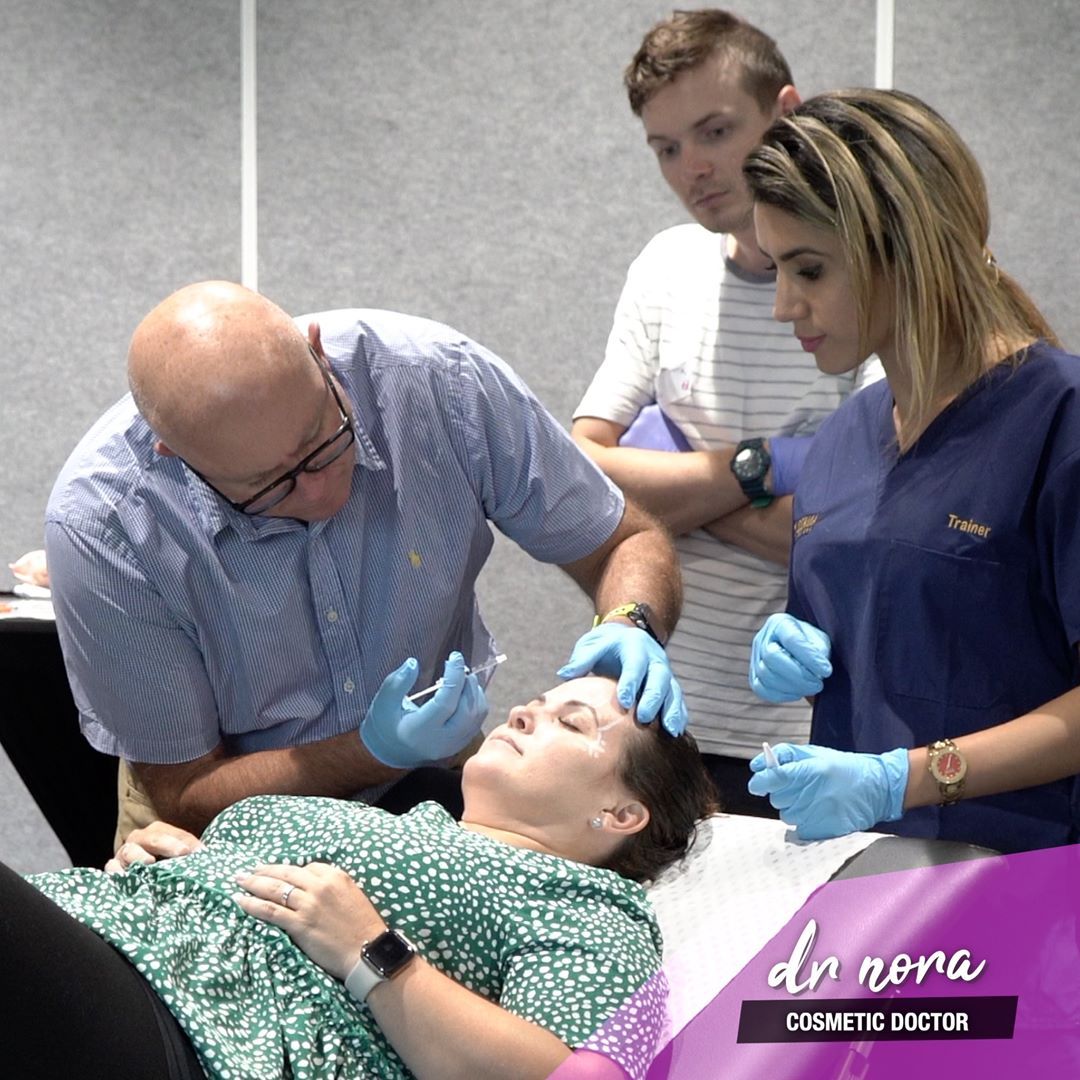
As a non-surgical trainer, I am honoured to be in a position where I can seriously advocate to my delegates the risks involved and the safest methods of injecting.
For anyone wishing to consider cosmetic procedures, please ensure you do your due diligence and research your cosmetic provider.
I hope that you’re all in safe hands whilst looking fresh and fabulous.
Very often we compare ourselves to others and wish we were different in some way. Sometimes we can use these thoughts in a positive and productive manner to better ourselves. Most of the time however, we get negative and end up in a spiral that can be damaging to our confidence and self-esteem.
Today, I’m asking you all to look in the mirror and reflect on the amazing person your are. Throughout life you’ve jumped through hurdles and achieved many things whether big or small. 💪
Sending you all some positivity and feel good vibes. 💖
Approximately 1 in 70 Australians have a condition known as Coeliac Disease. This means that they are unable to eat products that contain gluten, including bread and foods made with rye, wheat and barley 🍞. When such foods are eaten symptoms such as tummy ache, tiredness and weight loss can occur. These symptoms disappear once gluten is taken out of the diet.
Most Australians don’t know they suffer from Coeliac disease. Diagnosis is important because if it’s left without management, small bowel damage can occur leading to poor absorption of vitamins.
Testing for coeliac disease can include a blood test which your doctor can organise, however, you should have eaten gluten in the preceding 6 weeks.
Coeliac disease is managed with a strict gluten free diet, sometimes seeing a dietician can be helpful.
If you think you may be affected and would like further advice, please pop by and see me in clinic.