My highlight of the week was meeting a lovely new patient today who found me on YouTube/Instagram 👍
I absolutely love it when you all come by and visit after seeing one of my posts, it’s a real pleasure! I look forward to bringing you more useful health tips and videos 😄
Though they do say an apple a day keeps the doctor away, be sure to keep your fruit and veggie intake up but do pop in to see me in clinic when needed.
Autism is a life long developmental condition that affects the way an individual relates to his or her environment and their interaction with other people.
People with autism may have difficulties in social communication, social interaction and have restrictive or repetitive behaviours and interests.
In Australia, it is estimated that 1 in 100 people have autism.
It is usually diagnosed in early childhood but can be seen at any age.
There are certain milestones you can look out for in your child.
By the age of 18-24 months your child should be able to: - show interest in their peers/sibling
- Bring items to show you
- Follow your gaze to locate an object when you point
- Engage in pretend play
- Use many spontaneous single words and some two word phrases.
Autism is diagnosed by specialist healthcare professionals using various assessments.
There is a lot of support available for a child diagnosed with autism. This may include financial and community support.
For more information visit autismspectrum.org.au
If you are concerned your child is not yet reaching their milestones or are concerned about Autism, pop by and see me in clinic.
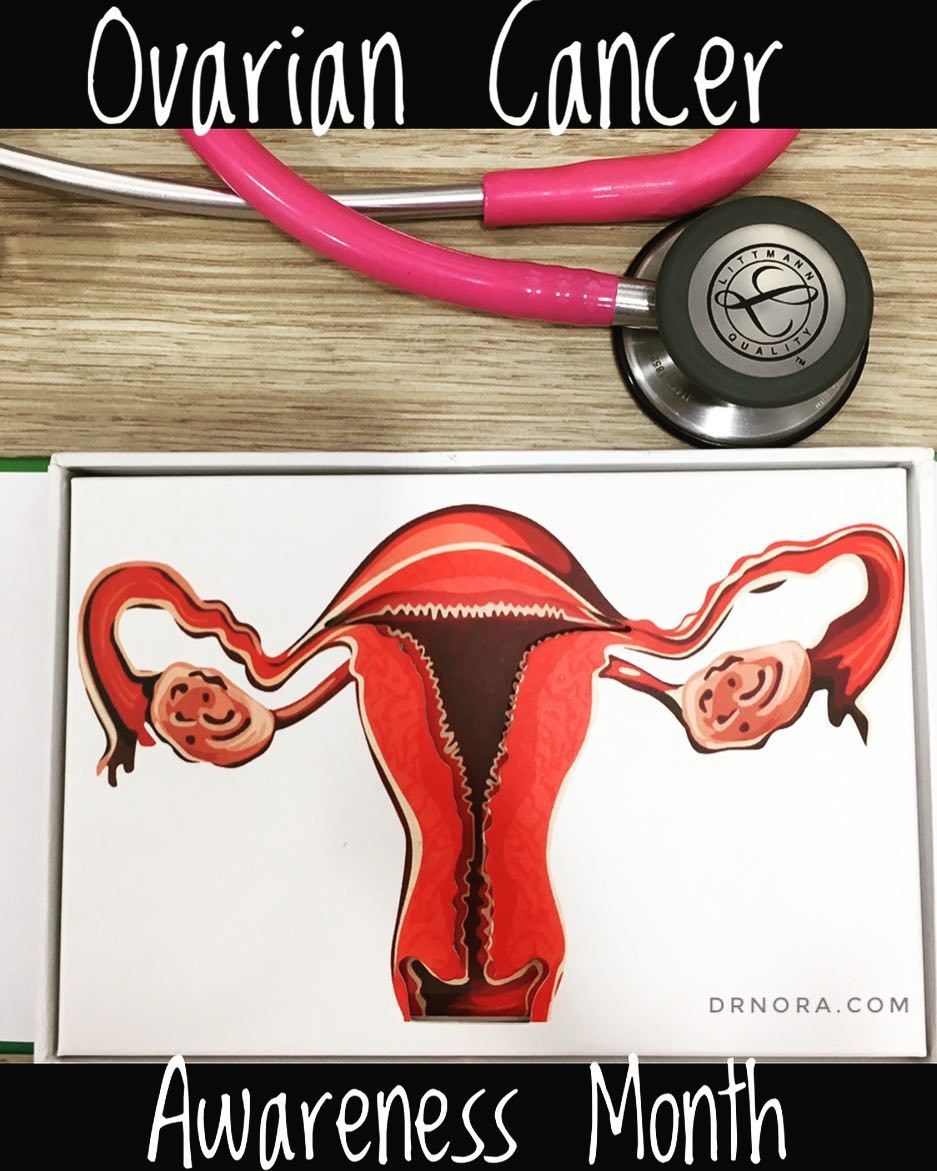
It is estimated that in Australia there will be over 1000 new cases of Ovarian cancer in 2018. Ovarian cancer happens when the cells in one or both of the ovaries become abnormal and change into cancer.
The symptoms of Ovarian cancer can overlap with other less serious health problems. But there are four types of symptoms that occur most frequently: - abdominal or pelvic pain
- persistent bloating
- needing to urinate frequently
- feeling full after eating small amounts
Other symptoms to be aware of are:
- change in bowel habit
- unexplained weight gain or weightloss
- irregular bleeding
- back pain
- nausea
- fatigue
- pain during intercourse.
Treatment is best managed by a gynaecologist and may include chemotherapy and radiotherapy.
If you are concerned or have any of the above symptoms, come and see me in clinic today for a check up.