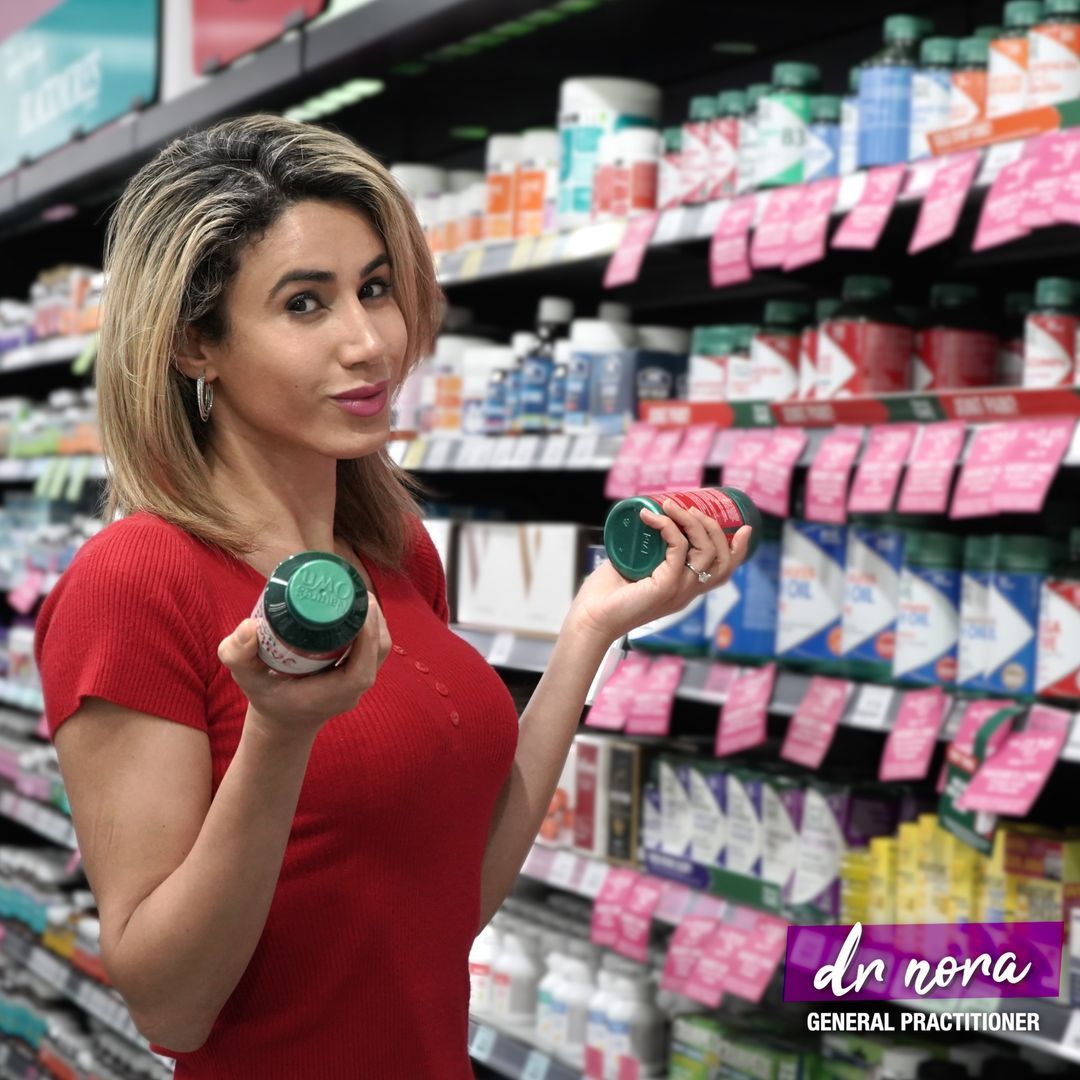
In today’s episode I take you through some useful tips on how to get the most out of your prescribed medication to ensure that you are taking it correctly and safely.
Over 300 million prescriptions are given to patients each year in Australia alone and there are a number of pitfalls that can take place along a medication journey.
CONSULT WITH YOUR DOCTOR
This is arguably one of the most important tips. Whilst you are in your consultation with your doctor, be sure to cover the following to get the best understanding:
- What is the medicine for
- How long should I take it
- How often should I take it
- When should I expect to see a change
- What are the side effects
- When should I come back
PHARMACY
The next step in your medication journey is to speak with the pharmacist. I have personally been dispensed expired medication which is not ideal as expired medication may not work and they may have untoward side effects. Usually pharmacists should be checking all the medications before dispensing, however as seen in my example this is not always the case. Here are some things to consider when getting your medication:
- Check the expiry
- Check the label for the correct name, medication, dosage and instructions.
- Make sure the medication is sealed.
AT HOME
Now that you have your medication, be sure to continue with your safety checks before taking your medication.
- Read the package insert
- Reflect on how you feel after taking the medication - do you have any side effects?
- Make an appointment to see your doctor for follow up.
CHAPTERS
0.05 Introduction
0:50 Doctor Consultation
7:33 Pharmacy Dispensing
11.24 Package Insert
11.58 Over The Counter Medication
13.25 Conclusion
With the above tips you can continue to take your medications safely and effectively. I hope you enjoyed this video and as always if you have any questions or comments please drop me in a line below.
As a general practitioner, a lot of thought and processing goes on behind formulating a management plan and diagnosis. Sometimes, this can take a few visits until an end goal is reached. This groundwork, I believe, is a vital part of the job to provide you with the most comprehensive medical care and if needed, to give you that script.
To book an appointment or to find out more head over to drnora.com
Ever walked into a pharmacy and felt overwhelmed by all of the different medicines and vitamins? 💊
Whether you’re taking prescribed medication or over the counter supplements, it’s time to question what they are for, how you are taking them and what potential side effects they have. If medicines are not used correctly, serious issues can occur. Each year 230,000 Australians are hospitalised with problems by their medicines. It is vital that your medications are reviewed regularly by your doctor to ensure they are still needed.
So next time you’re getting a script make sure you’ve got all your information. If you have any concerns or questions please pop by and see me in clinic.
Take care and stay healthy 😘
Dr Nora 💉
For more information visit nps.org.au/bemedicinewise
As a general practitioner, a lot of collaboration with other health professionals goes on behind the scenes. From speaking to the local pharmacist about which is the best medication to offer you, to speaking with hospital specialists about referrals and management plans.
Whilst it can be time consuming on a busy day, I believe it is an important part of the job to provide you with the most comprehensive medical care helping you to achieve your health goals.
To book an appointment or to find out more head over to drnora.com
With an increasing number of confirmed cases of the novel virus at present in Australia, measures are being taken to help stop the propagation of the virus.
In today’s episode of Dr Nora I talk to you about my battle of finding protective measures to protect myself and my patients.
WHAT IS THE NOVEL CORONAVIRUS?
Wuhan is a city in China where the virus originated from. It is not fully understood how the virus is transmitted but it is believe that it originated in a live seafood market and has so far affected many people in China and currently has a mortality rate of 2%. WHAT ARE THE SYMPTOMS?
The virus causes symptoms pneumonia, including, fever, cough, shortness of breath and feeling unwell and tired. It is believed that there is an incubation period of around 14 days which means that someone may not know they have the virus immediately.
WHO IS AT RISK?
Those who have travelled to Wuhan or those who have close contacts with someone who has recently travelled or has a confirmed case.
HOW DO I PROTECT MYSELF?
Usual hygiene measures are crucial such as regular hand washing. It has currently not been recommended for the general public to use a mask outside of the health care setting.
I THINK I HAVE CORONAVIRUS WHAT SHOULD I DO?
If you have a suspicion you may be affected as perhaps you’ve recently travelled from there or know a close contact. You should maintain isolation and seek medical help. It is imperative that before you go to a doctor or the ED you must call ahead so that protective measures may be taken. You will need to be in isolation to protect others around you and hence stop the propagation of this virus.
I hope you’ve found this video useful and always, if you have any questions or comments, please don’t hesitate to drop me a line below.