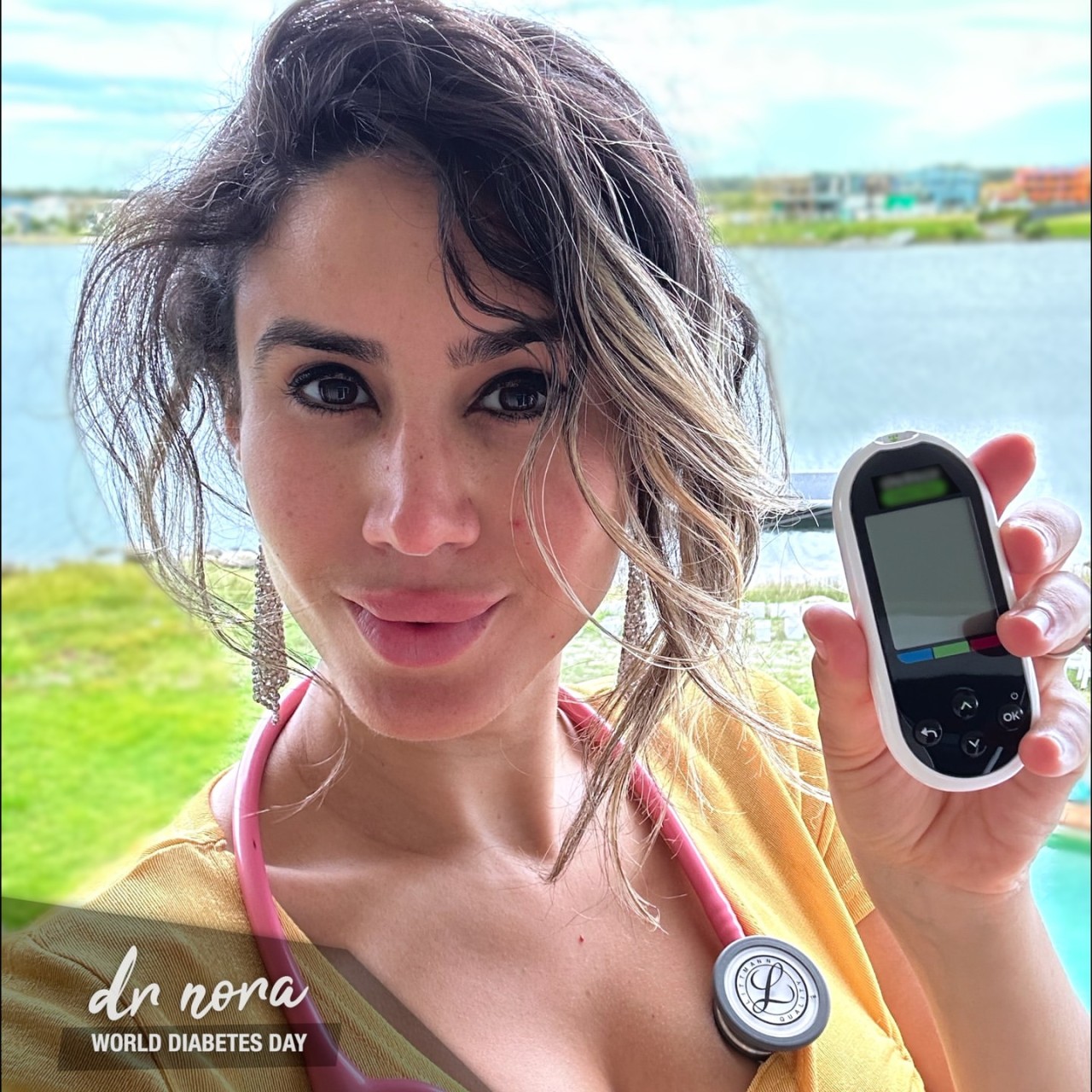
Type 2 diabetes is a rapidly growing national problem. 100,000 Australians developed diabetes in the past year and type 2 diabetes accounts for around 85% of all diabetes.
Early identification and management of people with type 2 diabetes is very important.
Thirst, lethargy, change in weight and passing urine frequently are some of the common symptoms of diabetes.
Checking your risk for diabetes is simple and quick and can be done with your GP.
If you have any questions or concerns about diabetes or would like to have your risk checked pop by and see me in clinic.
In today’s episode of Dr Nora, I give you the low down on sugar from how much if any, we should be consuming to how it impacts our health.
RECOMMENDATIONS
Whilst there are no strict recommendations in Australia for the amount of sugar that should be consumed, it is widely agreed that you should not consume more that 10% of your total calorie intake as sugar. For an average woman, this would be 6 teaspoons per day and for an average man, 9 teaspoons.
SUGAR
Sugar belongs to a food group known as carbohydrates. These carbohydrates can either be digestible or indigestible. Indigestible carbohydrates pass through our body unchanged and are known as fibre or roughage. Digestible carbohydrates are sugars and starch.
There are different types of sugars, such as glucose, fructose, galactose, maltose, lactase and sucrose - which is the chemical name of sugar.
When we eat carbohydrates including sugar, our body converts this into glucose which gives us energy. Glucose is maintained in the blood stream by a chemical known as insulin that keeps the sugar level within range. If we do not use the glucose in our blood stream, it gets converted into glycogen which can then be stored for use later.
Glycogen if not used, is converted into fatty acids, which, if there is an abundance of circulates in the body and gets stored as fat for example in the liver. This can lead to a condition known as non-alcoholic fatty liver disease. These changes can often be reversible with a change in lifestyle and diet.
For further studies and trials on the effects of sugar, be sure to read ‘Pure White & Deadly’ by John Rudkin.
Within this book there are a number of studies that demonstrate the adverse effects of sugar on the body, for example, a rise in Triglycerides (a fat within the body), a decrease in our good cholesterol and a stickiness to our blood cells. These changes can contribute to adverse effects on the heart. There are of course other factors than sugars that can cause cardiovascular diseases, such as genetics, smoking, alcohol consumption and leading a sedentary lifestyle.
The book also demonstrates an increase in acid reflux in a cohort of patients as well as a reduced ability to maintain a normal sugar level within the blood stream. As we also know an excess of sugar can lead to dental problems.
NUTRITIONAL LABELS
It is important to take a look at nutritional labels when you are next shopping as sugars can be hidden in foods and consumption may be higher than anticipated.
HEALTHY LIFESTYLE
Managing your sugar consumption is just one facet of maintaining a healthy lifestyle. Eating a healthy balanced diet with fruit and vegetables, limiting the amount of alcohol, stopping smoking and carrying out regular exercises are all important. It is important to seek advice from your medical doctor before embarking on any changes to your diet or exercise regime.
I hope that you’ve found this video useful and as always if you have any questions or comments, please do not hesitate to drop me a line in the comments section below.
As part of your antenatal programme be sure to have your Oral Glucose Tolerance Test from 24-28 weeks. This test is available to all pregnant women and helps to detect a condition known as Gestational Diabetes. This is a form of diabetes that only occurs during pregnancy and requires further specialist involvement during your pregnancy. If diagnosed you may be at risk of delivering a large baby, having low blood sugar for you and baby and in more serious cases baby may have difficulty breathing after delivery. It’s important to remember that most women with Gestational Diabetes have normal healthy babies.
The test consists of having a blood test followed by a sugary drink and a further blood test 1 and 2 hours later.
Treatment of Gestational Diabetes in pregnancy usually consists of education about healthy eating and exercise, blood sugar monitoring and in some cases oral medication or insulin injections.
If you have any further questions please pop by and see me in clinic.
This World Diabetes Day I’m encouraging you to come in and check your risk of developing this serious medical condition.
Type 2 diabetes is a rapidly growing national problem. 100,000 Australians developed diabetes in the past year and type 2 diabetes accounts for around 85% of all diabetes. There are over 1 million Australians who have type 2 diabetes.
Early identification and management of people with type 2 diabetes is very important. Thirst, lethargy, change in weight and passing urine frequently are some of the common symptoms of diabetes. Checking your risk for diabetes is simple and quick and can be done with your GP.
If you have any questions or concerns about diabetes or would like to have your risk checked pop by and see me in clinic today.
As your friend, I wanted to let you know about the dangers of sugar.
I recently picked up this fantastic read by Dr John Yudkin “Pure, White and Deadly” which gives a fascinating insight to the dangers of sugar consumption and its increased use worldwide.
Did you know, there is no physiological requirement for humans to have sugar? This means we can get all of our nutritional needs without having a single spoon of white, brown or raw sugar. More worryingly, if only a small fraction of what is already known about the effects of sugar were to be revealed in relation to any other material used as a food additive, that material would be banned.
It certainly has made me rethink my outlook on sugar, and if you’re not one for reading, I’ll be sure to do a summary video soon on drnora.com.
So next time you reach out for that mid afternoon biscuit take a moment to think, ‘what benefit is this having on my body?’ Take care and stay healthy 😘