Changes to your bowels, such as colour, presence of blood, consistency and appearance can all be indicators of bowel cancer.
Australia has one of the highest rates of bowel cancer in the world, where 1 in 13 will develop the disease in their lifetime. So it’s important to get to know the signs to help early treatment.
Other signs and symptoms include tummy pain, weight loss and feeling tired with no apparent reason.
If you are concerned about these symptoms it is important that you seek medical help. Diagnosis usually includes blood tests and a colonoscopy which is a camera that is inserted through the back passage by a specialist.
Treatment is on an individual basis but could include surgery, chemotherapy and radiotherapy.
Bowel cancer screening is available for those over 50 and includes sending a stool sample to the laboratory for analysis. By 2020 Australia will have a Bowel Cancer Screening programme for every 2 years for those aged between 50-74.
If you have any further questions or are concerned by any symptoms, come by and see me in clinic.
Hope you all have a fabulous weekend and enjoy the sunshine 😎🌞 Sunshine is a great source of vitamin D which is essential for bone health, the immune system, mood regulation and much more!
Always make sure that you use sunscreen at least SPF30 whilst in the sun and avoid the peak times of 10am-3pm.
For more advice on vitamin D come and see me in clinic.
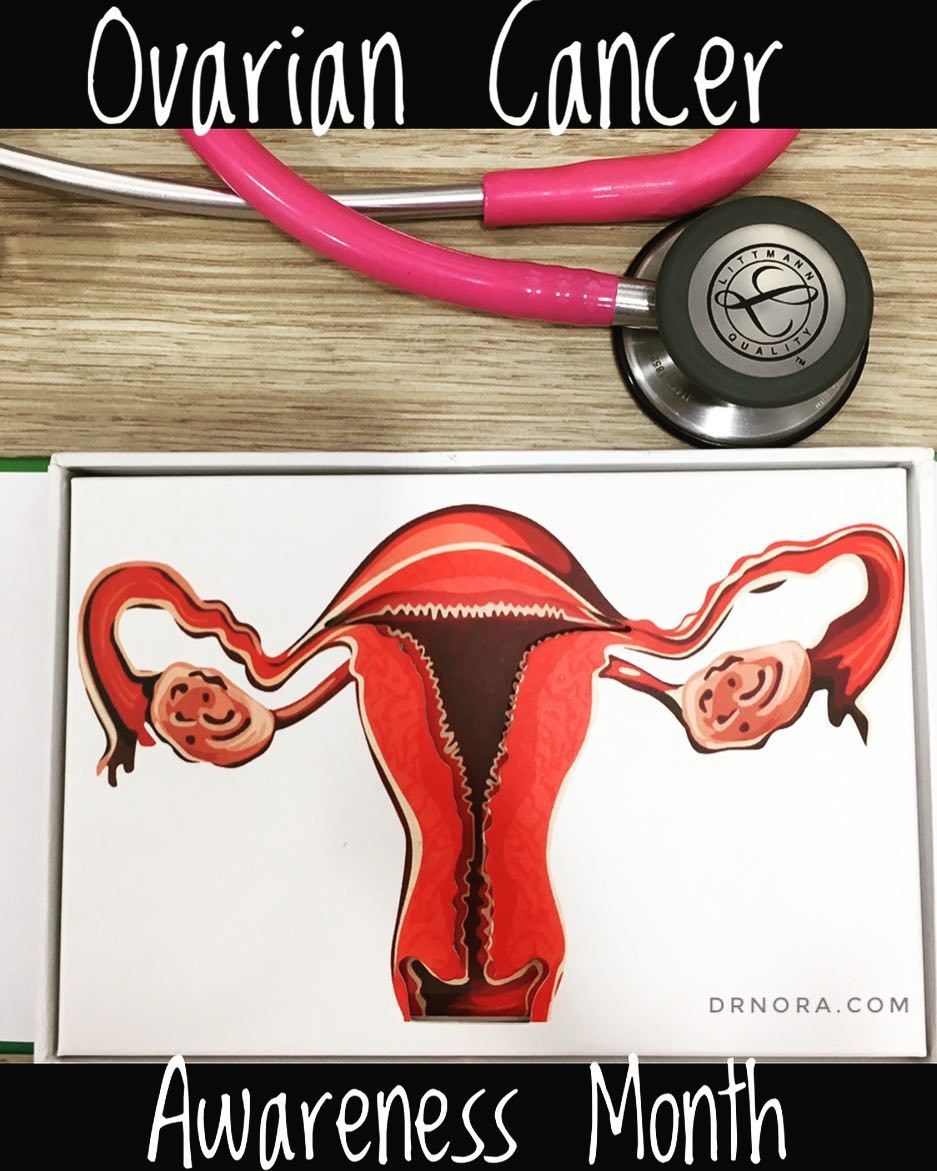
It is estimated that in Australia there will be over 1000 new cases of Ovarian cancer in 2018. Ovarian cancer happens when the cells in one or both of the ovaries become abnormal and change into cancer.
The symptoms of Ovarian cancer can overlap with other less serious health problems. But there are four types of symptoms that occur most frequently: - abdominal or pelvic pain
- persistent bloating
- needing to urinate frequently
- feeling full after eating small amounts
Other symptoms to be aware of are:
- change in bowel habit
- unexplained weight gain or weightloss
- irregular bleeding
- back pain
- nausea
- fatigue
- pain during intercourse.
Treatment is best managed by a gynaecologist and may include chemotherapy and radiotherapy.
If you are concerned or have any of the above symptoms, come and see me in clinic today for a check up.
If the answer if yes come and have your free meningococcal vaccine today!
What is the vaccine for❓
The vaccine will help to reduce the rate of meningococcal disease which is a rare but serious infection that can invade the body from the throat or nose.
Why is it important❓
Most people affected by meningococcal disease fully recover. However for some people it can lead to long term health complications such as limb deformity and brain damage.
Why should I have it❓
Some of the highest rates of meningococcal disease are amongst those aged between 15-19 and so having a vaccine will help to reduce this rate.
Will it be painful❓
You should expect some discomfort when having the vaccine but this will usually be temporary and you’ll be able to get on with your usual activities.
Where can I have it❓
Book in today for your vaccine which is government funded 💉
Feel free to see me in clinic today if you have any further questions.
Heart disease is one of Australia’s largest health problems with over 1.2 million people being affected. Risk factors include high blood pressure, high cholesterol being overweight, alcohol and smoking.
This month is all about raising awareness of having a healthy heart ❤
For more information and advice on how you can reduce your risk of heart disease, come and see me in clinic today.